Blog listing
Stay Updated
Want to hear about our latest news and blogs?
Sign up now to get it straight to your inbox
Cost of living affects us all - what can we do for young people
The cost of living remains the top concern for most people. After a fourteen-year pay squeeze, poor growth and price shocks, too many people are struggling to afford essentials or achieve a decent quality of life.

Funding a cut in energy bills with a bank tax
Working people are struggling to pay their bills, while banks make billions in windfall profits and pay out their biggest bonuses in years. It's time they contributed their fair share, and that money was used to cut energy bills for everyone on low and middle incomes.

A record-breaking rise in trade union membership
The most recent trade union stats brought some good news: trade union membership is up. In 2025, trade union membership rose by 192,000 and now sits at 6.57 million. This is the highest it’s been since 2020.

Scrapping the three-day wait for sick pay will help millions
Scrapping the lower earnings limit and the three-day wait will be two important steps to making the system fairer.

The labour market is in the danger zone
The high pay growth heralded by the chancellor comes with some hefty caveats. The reality is that the latest data should concern us. There are clear warning signs of a labour market in trouble.

Why are workers striking?
This winter we’ve seen hundreds of thousands of workers’ taking industrial action – or striking – to defend their pay and conditions. These are individual disputes, and it's important to understand the details in different workplaces. But there is a common cause: a pay disaster that means workers are being paid less in real terms now than they were 14 years ago.

The new prime minister must get pay rising
One of the biggest challenges facing the new Prime Minister is addressing a pay crisis that the government in power has spent the past twelve years presiding over and bears a good deal of responsibility for. A top priority must be fixing it.
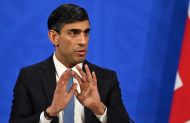
Only good, well-paid work is a route out of poverty
Work should be a route out of poverty. But, especially under this government, it isn’t.

Chancellor's Spring Statement fails families who need help now
In the midst of the biggest wages and bills crisis in living memory, Rishi Sunak’s Spring Statement has failed families who need help now.

Now is not the time to get complacent about jobs
The latest labour market figures have some positive signs – but there are some factors we should be concerned about.

A tale of two pandemics: low-paid workers hit hardest by Covid class divide
The coronavirus crisis has been a tale of two pandemics

Self-isolation support payments: the failing scheme barely anyone’s heard of
Over a year into a pandemic, and our sick pay system remains broken.

A year on from furlough
Today marks the one-year anniversary of the furlough scheme being introduced.

Immense hardship makes consumer led recovery the biggest risk of all
This week’s budget sent a clear message – the government think households don’t need support to start spending again. This is a big risk, and it completely ignores the millions struggling due to the pandemic.

Young workers are bearing the brunt of the jobs crisis
The latest labour market data provides a startling insight into the impact the pandemic is having on young workers.

High rejection rates show the self-isolation payment scheme isn’t fit for purpose
The self-isolation payment scheme was meant to solve the problem of workers being unable to self-isolate. But a combination of strict criteria and low funding means that 7-in-10 applicants to the scheme are rejected.

The self-isolation payment isn’t working. The government must raise statutory sick pay now
Since the beginning of the pandemic, the government has repeatedly refused to do what’s clearly needed: raise statutory sick pay and make it available for all.


An unemployment crisis is coming. The government must act now to prevent it
With a big drop in employment since the start of the pandemic, the government must do more to avert an unemployment crisis later this year.

Why we need an increase in statutory sick pay
Current rates of statutory sick pay leave many workers facing an impossible choice between going to work ill or falling into debt. This needs to change.

We need bold action to avoid mass unemployment
Labour market figures show an unemployment crisis is looming. We need decisive government action to avoid it.

Government support is being stripped away when it’s needed more than ever
An overhaul of our social security system, not more temporary government measures, is what we need to create a real safety net.

The new class divide – how Covid-19 exposed and exacerbated workplace inequality in the UK
Coronavirus doesn’t discriminate – but the UK labour market certainly does.

Coronavirus has exposed the flaws in our social safety net – here’s how to fix it
Record numbers of people living in poverty show why the government must fix the gaping holes in our social safety net exposed by the coronavirus crisis.

Coronavirus - the self-employed need urgent support too
We’re glad the government has agreed to help fund wages for employees, but what about the millions of self-employed who also face collapsing earnings?

Coronavirus help: what workers need now
The government must put money in workers’ pockets to help them through this crisis. Here’s how.
Work Your Proper Hours Day – let’s stop working for free
UK workers gave their employers £35 billion of free labour last year - a staggering total of two billion unpaid hours.

Working people won’t be celebrating more than a decade of lost wages
Why has it taken the government twelve years to get wages back to pre-crisis levels?
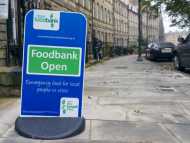
Our new government must address the burgeoning household debt crisis
Our new government has a long list of urgent issues to tackle. On this list should be the on-going rise of household debt.