Turning up the heat on workplace safety - lessons from the week of action
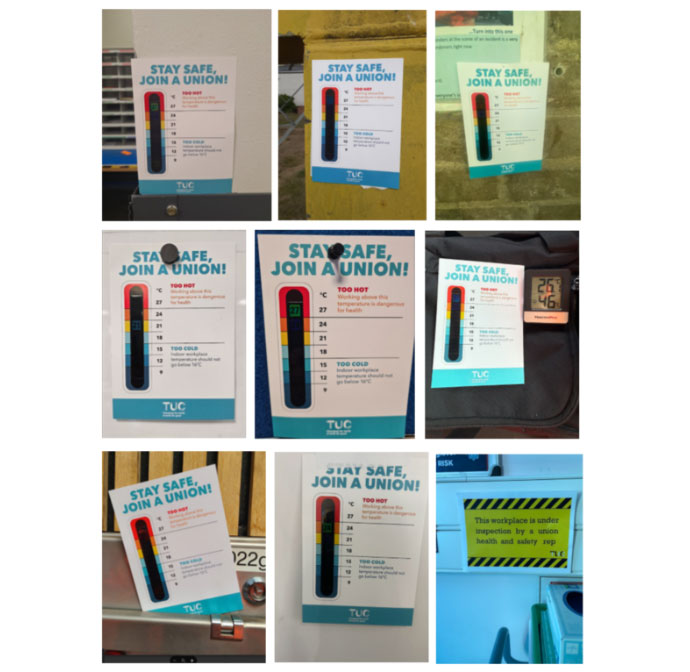
In factories, hospitals, warehouses and schools, reps carried out temperature inspections in their workplaces. The goal? To shine a light on rising workplace temperatures, gather evidence, and push for stronger protections so no one is forced to work in dangerous heat.

Why we did it
Working in extreme heat isn’t just uncomfortable — it’s unsafe. Overheating can cause dehydration, dizziness, and heatstroke. It also slows reaction times and increases the risk of accidents. With climate change driving more frequent heatwaves, the problem is only getting worse.
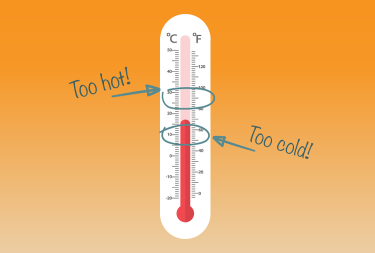
The law in Britain is clear that employers must provide a “reasonable” working temperature, but it doesn’t set a legal maximum. That’s why the TUC has been campaigning for new rules to protect workers — including a maximum indoor temperature of 30°C (27°C for strenuous work) and a legal duty on employers to take action at 24°C.
To help reps collect the facts they need to win change, the TUC sent over 1,000 thermometers, plus an inspection checklist and a model collective agreement they could take straight to management.
What reps found
Over the week, hundreds upon hundreds of completed inspection checklists came back to us. The results paint a clear picture:
- Hotspots everywhere: Nearly 6 in 10 reps recorded temperatures above 27°C at some point during the working day.
- Poor ventilation: In over half of inspections, reps reported a lack of adequate ventilation, with some workplaces relying solely on small desk fans or open windows.
- Outdoor exposure: Construction and delivery workers reported the highest risk, with some shifts exceeding safe heat exposure levels for hours at a time.
- Impact on workers: Reps shared accounts of colleagues feeling faint, suffering headaches, or needing to take more frequent breaks just to cool down.
One manufacturing rep told us:
“We clocked 31°C at midday on the production line. We’ve been asking for proper cooling for years, now we’ve got the evidence to show just how bad it is.”
What happens next?
Armed with this data, union reps are taking the next step: using the model agreement to demand real changes, from air conditioning to flexible working in hot weather, shaded rest areas for outdoor staff, and more frequent breaks.
The TUC will be using these findings to strengthen our call for a legal maximum working temperature and clearer employer duties to tackle excessive heat. This isn’t a seasonal issue anymore it’s a growing workplace hazard that needs action now.
Your role in turning down the heat
If you’re a union rep, keep your thermometer handy — temperature inspections shouldn’t stop here. And if you’re not yet a member, join your union and get involved in pushing for the protections we all need.
Because everyone deserves to be safe and comfortable at work, whatever the weather.
Take action now
- Sign the petition: for a maximum working temperature
- Download our temperature inspections checklist
- Download the model collective agreement for heatwaves
- Use our learning tool, ‘Too Hot, Too Cold’
Stay Updated
Want to hear about our latest news and blogs?
Sign up now to get it straight to your inbox