Tax the banks - cut our bills!
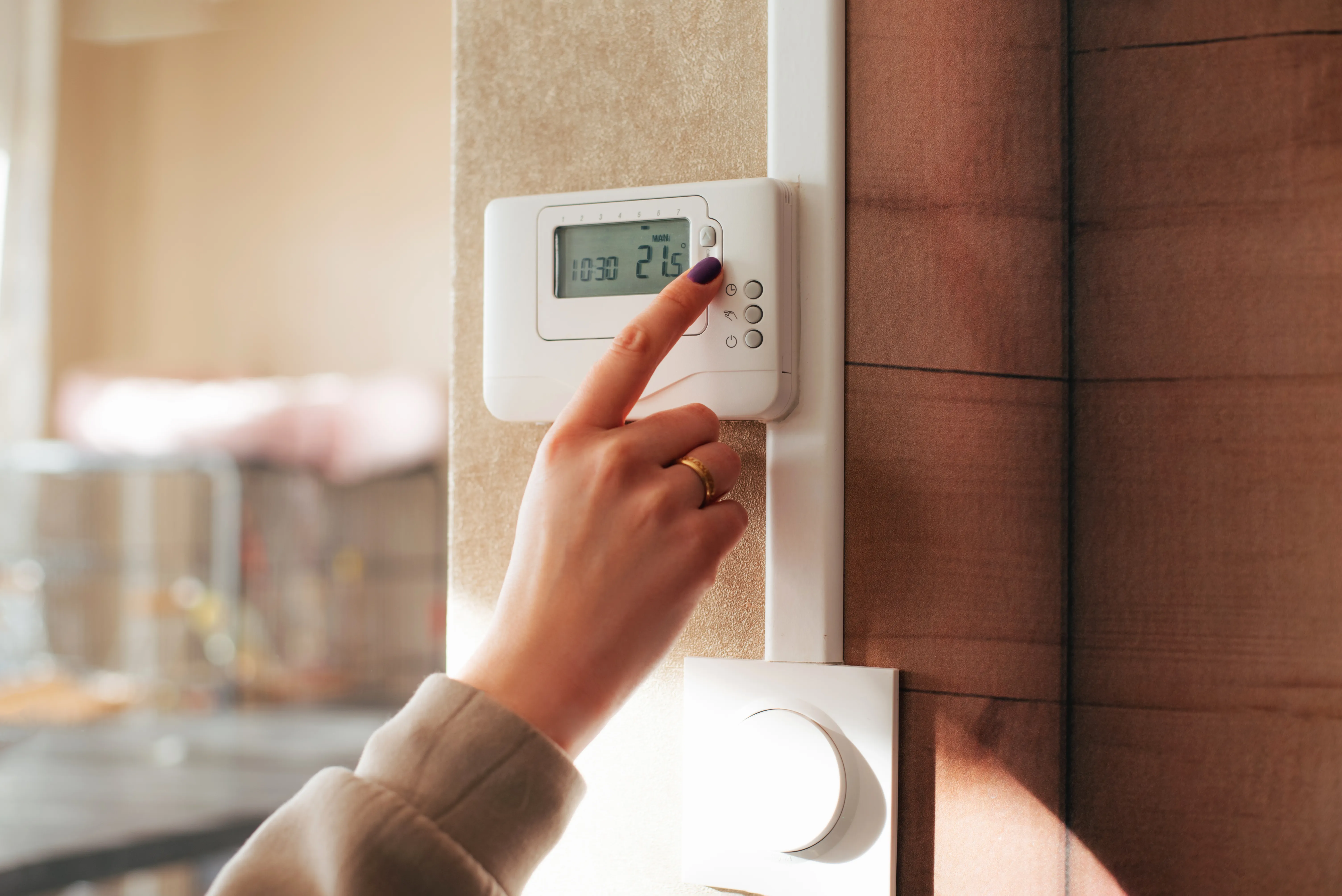
Energy bills are putting households under huge pressure.
While banks continue to make billions in profits and pay out bumper bonuses, our energy bills at home are out of control.
We're calling on the government to introduce a windfall tax on bank profits to fund cuts to energy bills for everyone on low and middle incomes.
History shows that when working people act together, we can win a fairer economy that works for everyone. We can do that again today.
It's time banks paid their fair share in tax.

The TUC's proposed social tariff would cut typical bills by between £345 and £517 a year for half of households, with those in the greatest need getting the most off.
£517 a year saved by the lowest-income households
£345 a year saved by middle-income households
£172 a year saved by upper-middle earners
£60bn could be raised over four years by increasing the bank surcharge to 35%.
Getting banks to pay more tax on their profits to help us with the cost of living is common sense. They’re raking in billions while the rest of the us are struggling.
We've seen this pattern before. The high interest rates introduced after Putin's illegal invasion in Ukraine combined with a reduced bank surcharge tax - brought down to just 3% by the Conservatives - led to a bumper pay day for the banks.
The economic chaos sparked by Trump's illegal war in Iran is already seeing this pattern continue at our expense.
Increasing the bank surcharge could raise billions to help fund a social tariff scheme to reduce energy bills.

Here’s an explainer about why it’s needed, how it would work, and how it could be funded.
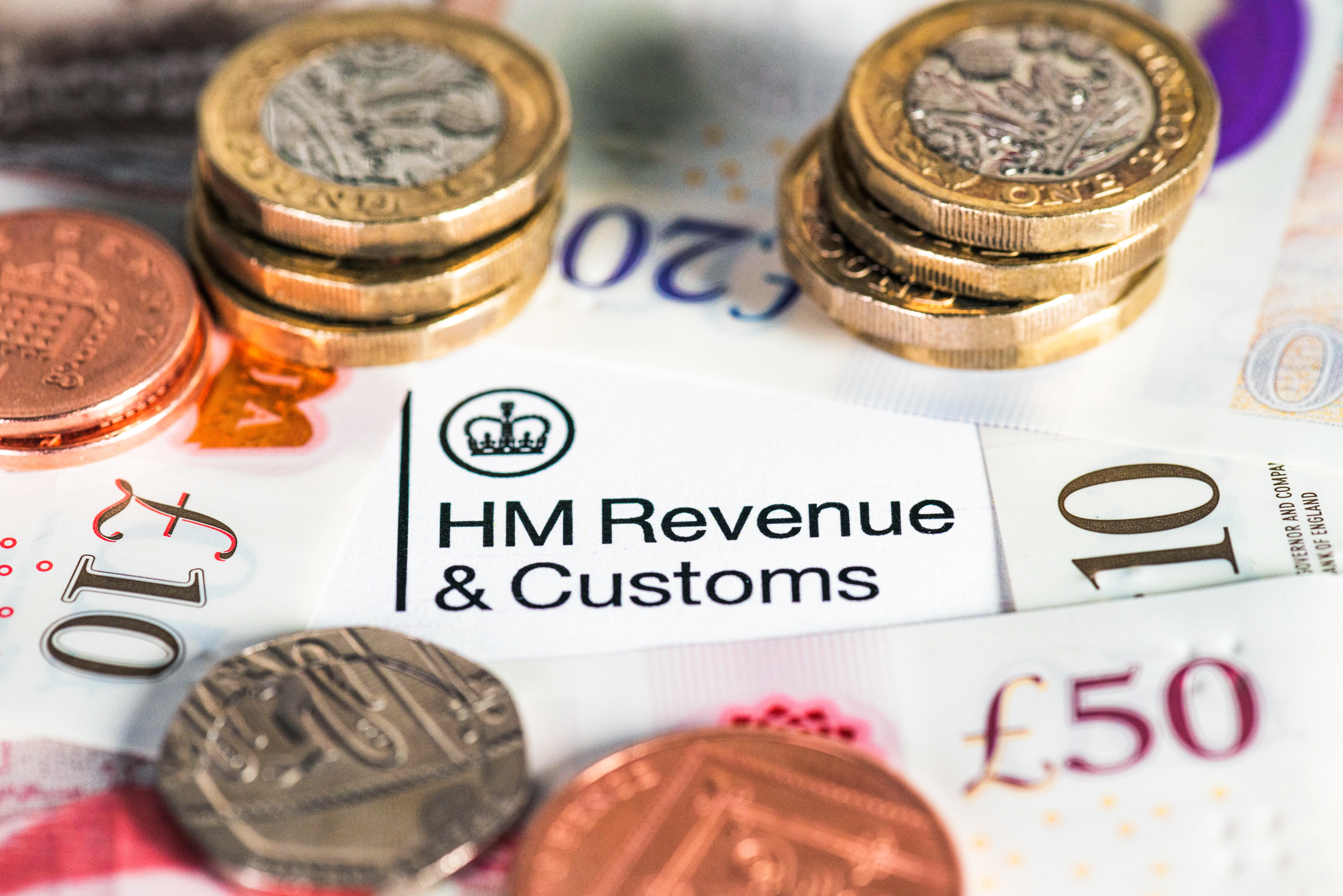
A fairer approach to the tax treatment of banks in light of windfall profits.

TUC proposal for a crisis-proof, targeted, flexible approach to domestic energy support in 2026.
Make banks pay their fair share.
Increasing the bank surcharge means banks contribute more of their profits in tax.
Use the money to fund a social tariff.
The additional revenue would help fund cheaper energy bills for households on low and middle incomes.
Increase support when prices rise.
When energy costs spike, an emergency boost would provide additional help to households that need it most.
If put in place now, the scheme (including the emergency tariff) would cost only £6 billion a year.
- Annual cost of the tariff: £6 billion
- Potential revenue over four years: £60 billion
Even a 16% surcharge would be enough to cover the scheme.

Getting banks to pay more tax on their profits to help us with the cost of living is common sense. They're raking in billions while the rest of us are struggling.