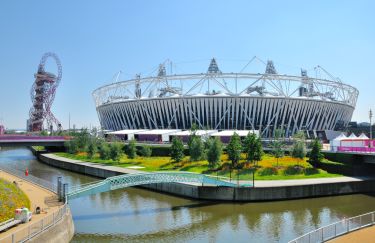
The London Olympics: A success story on and off the track
What often gets overlooked is the huge effort that went into building the venues, transport links and infrastructure that made it all possible. And one of the big reasons it worked so well was that trade unions, employers and organisers worked closely together from the outset.
From the very start the organisations behind the Games including the Olympic Delivery Authority (ODA) and London Organising Committee of the Olympic Games (LOCOG) agreed formal partnerships with trade unions.
Everyone recognised that a project of this size employing tens of thousands of workers and operating to immovable deadlines would only succeed if there were strong relationships on site and if problems were dealt with collaboratively.
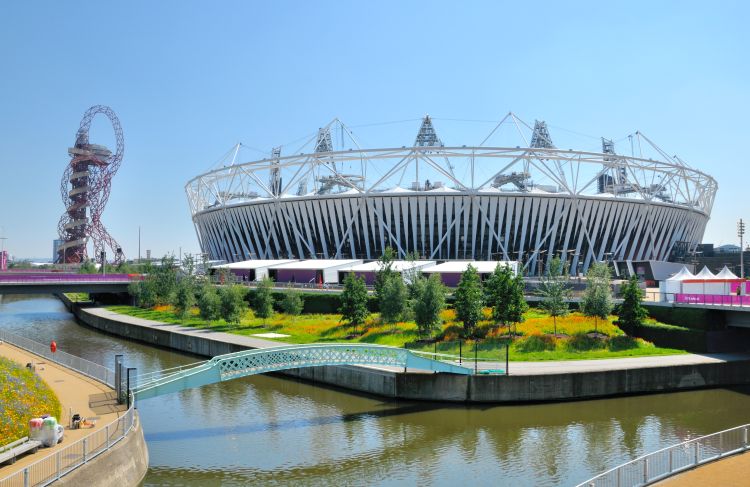
Those agreements weren't just pieces of paper. They set out shared commitments on safety, skills, training, fair treatment, equality and respect at work. The aim was simple - build world-class facilities while creating decent jobs and opportunities for workers.
The results speak for themselves. The Olympic Park was delivered on time and within budget despite being one of the largest construction projects in Europe with around 40,000 people working on the programme over its lifetime.
On a programme of the size and complexity of the 2012 Olympics good industrial relations is not an optional extra
There were no fatalities during construction and injury rates were significantly lower than the industry average making it one of the safest Olympic construction projects ever delivered.
As organisers recognised at the time:
“On a programme of the size and complexity of the 2012 Olympics good industrial relations is not an optional extra. Rather it is the key to realising the ultimate goal of a successful project completed on time and within budget."
The clear lesson from the London Olympics is that when workers have a voice, when employers listen and when everyone is focused on a shared goal major projects can be delivered faster, safer and to a higher standard.
The London Olympics weren't just a triumph of sport. They were a triumph of partnership.