General Strike 1926: Why It Happened and Why It Still Matters
What was the General Strike?
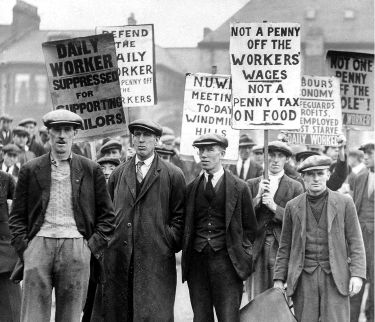
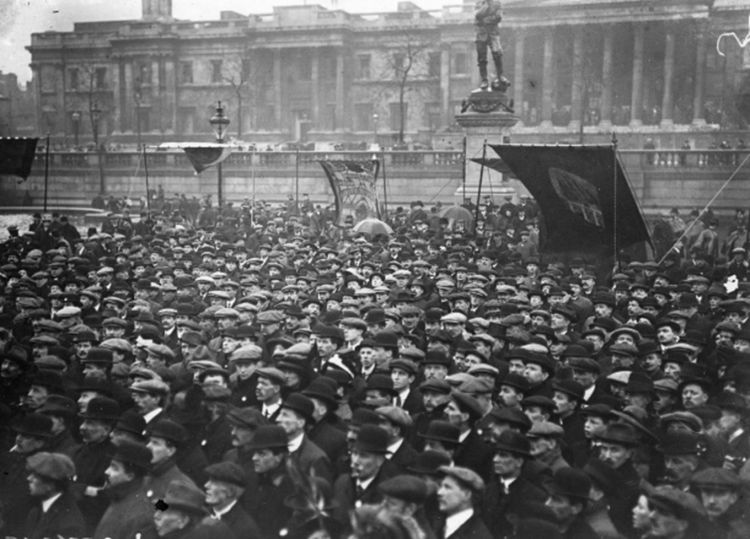
The General Strike began on 3 May 1926 when the Trades Union Congress (TUC) called on workers across key industries to stop work in support of coal miners who were facing severe wage cuts and longer working hours.
After the First World War Britain’s coal industry was struggling. Mine owners wanted to reduce miners’ pay and increase working hours to keep their businesses profitable.
Miners’ unions resisted, warning that the proposals would push already hard-pressed workers into deeper poverty.
Their slogan became famous:
"Not a penny off the pay, not a minute on the day."
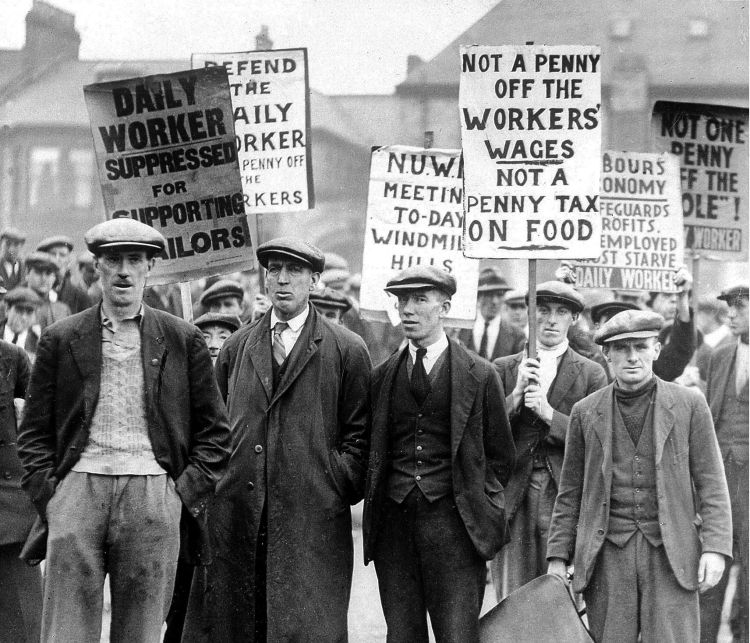
When negotiations broke down the TUC called a general strike to support the miners. Around 1.7 million workers took part, including transport workers, printers, dockers, engineers and others whose labour kept the country running.
Public transport stopped. Newspapers could not be printed. Much of the economy ground to a halt.
Why was it so important?
The General Strike was about more than coal mining. It became a defining moment for the British labour movement.
For many workers it was a stand against falling living standards and a system that seemed stacked against them. The strike brought workers from across different industries together to demand a fairer deal.
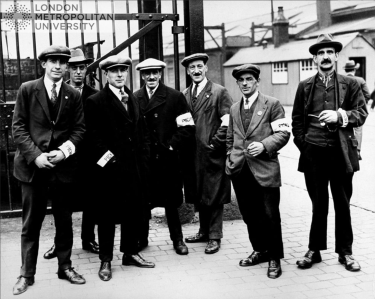
The government responded with emergency measures, volunteers were recruited to keep services running and the country became deeply divided.
After nine days the TUC called off the strike. The miners continued their struggle for several months - but eventually many returned to work on worse conditions than before.
Although the strike did not achieve its immediate aims it left a lasting impact on politics, unions and workers’ rights in Britain.
How it shaped the world of work today
The events of 1926 changed the relationship between workers, employers and government - and helped shape the labour movement for the next century.
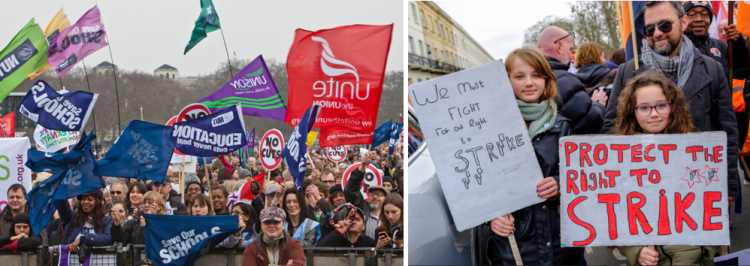
The events of 1926 changed the relationship between workers, employers and government - and helped shape the labour movement for the next century.
The strike reinforced the importance of trade unions as a collective voice for workers. It also sparked debates about workers’ rights, industrial relations and the role of the state that continue today.
Over the decades since union campaigning and collective action have helped win many of the rights people now rely on at work, including:
- Paid holidays
- Safer workplaces
- Protections against unfair dismissal
- Maternity and parental rights
- The national minimum wage
These gains were not inevitable. They were the result of workers organising together and demanding change.
100 years on
The General Strike of 1926 remains a powerful reminder that working people have the power to shape their future.
While the world of work has changed dramatically over the past century, the core lesson still holds: when workers stand together, they can win lasting change.
Marking the centenary is an opportunity to reflect on the struggles of the past, recognise the courage of those who stood up for fair treatment, and continue the work of building a better future for working people.