As a shop worker, I know unions put more money in people's pockets
I spent more than ten years working in supermarkets. These days, I’m on secondment with my union, travelling around London and talking to retail workers about joining USDAW. And honestly? I love it.
I get to meet people from every background you can imagine. In this job, you learn very quickly how to listen, how to be respectful and how to meet people where they’re at.
No two conversations are the same – and that’s exactly what makes the work so rewarding.
A typical day for me means walking in and out of shops across the city, usually around 20 in a day.
I introduce myself, say good morning and ask how things are going. I want to know what’s actually happening on the shop floor – what’s frustrating people, what’s worrying them and what kind of support would make a real difference.
In an average month I sign up between 80 and 200 new members. In busy periods it can be over 100 in a single week. And many of those people go on to become reps take USDAW training, attend conferences and negotiate for their colleagues. Seeing that confidence grow is one of the best parts of the job.
I introduce myself, say good morning and ask how things are going. I want to know what’s actually happening on the shop floor – what’s frustrating people, what’s worrying them and what kind of support would make a real difference.
Because I’ve spent so long working in retail myself people trust me. I’ve been there. I know the pressure, the long shifts, the abuse and the stress of trying to make ends meet on low pay and cut hours. That shared experience really matters.
Why I tell workers to join USDAW
The cost of living comes up in almost every conversation. Low pay. Reduced hours. The constant stress of trying to stretch wages to cover rent, food and bills. I’m honest with people - being in a union puts more money in your pocket.
USDAW reps raise issues directly with employers and because the union has long-standing relationships with big retail companies they’re listened to.
Sometimes that means negotiating better pay or more stable hours. Other times it’s about practical changes – like helping someone move to a store closer to home so they can save on travel time and costs.
But it’s not just about money. For me the message is simple: unions make work safer, fairer and more secure.
The cost of living comes up in almost every conversation. Low pay. Reduced hours. The constant stress of trying to stretch wages to cover rent, food and bills. I’m honest with people - being in a union puts more money in your pocket.
Members get representation if they’re called into a disciplinary or grievance. They get protection when something goes wrong and proper advice when they’re unsure what to do.
We make sure policies are followed – and through collective bargaining we push for better pay and conditions. The more members we have the stronger that voice becomes.
Shop workers in London deal with huge pressure every day and abuse from customers is a serious problem. When someone tells me they’ve been shouted at, threatened or even attacked at work I can say honestly: you don’t have to face this alone. Your union has your back.
Some of the issues people bring to me are deeply personal. I’ve supported workers experiencing domestic violence to get safer shift patterns so they don’t have to worry about an abuser waiting outside the shop late at night. That kind of support can be life-changing.
And if I don’t know the answer to a question I’ll say so. I’ll go away, find the right information and come back. People respect that honesty.
What really persuades people to join?
More than anything it’s security. I’m open about my own experiences – like the time I was abused at work and how the union supported me or when I needed help changing my shift pattern. When people hear real stories it clicks.
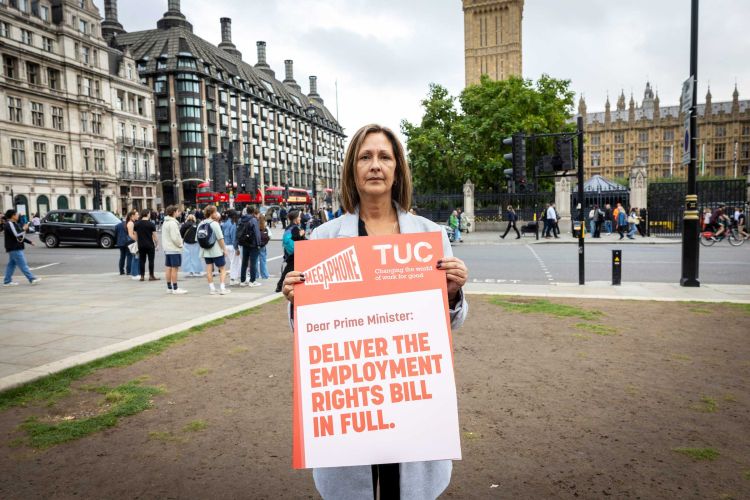
The Employment Rights Act is a big factor too. Unions campaigned for years to make it happen and from April millions of workers will get sick pay from day one if they need time off.
Employers will also be required to put stronger protections in place on the shop floor. These changes are genuinely life-changing – and they can’t come soon enough.

