An energy industry in the North East for the future
My maternal family worked in the cotton industry in Lancashire.
I know what it means when industry thrives, and I know what it means when it collapses: the disastrous effect it has on communities for generations to come.
That story is all too familiar in the North East, where mine closures, the end of shipbuilding and collapse of heavy industry in the latter part of the last century undermined local communities and social cohesion.
It left a legacy we are still grappling with today.
This is why talking about a worker-led transition matters: not just for climate change, but for the future of our economy, and our communities.
Moving to a greener economy is the central economic question of the 21st century.
How we handle it will determine whether our region thrives, or if workers in the oil and gas supply chain end up on the scrapheap – as so many were in those other industries.
Climate change is real, it is happening, and it must be addressed. Working people cannot afford climate denialism – we see the floods and wildfires getting all too common, the rising costs of food and fuel.
Yet we know there are political forces who would challenge this reality - Reform UK – and their denialism, if given the helm, would risk our region’s economic future.
They tell working people to blame migrants for our problems while misleading people about climate change.
They reject the Employment Rights Bill that would give every worker basic dignity at work.
Here in the North East, we have seen the reversal of commitments to that just transition by Reform at a local council level.
We need a realistic and sensible approach to our region’s energy future, one that protects our future economic stability.
North Sea oil and gas is running low, and production is declining.
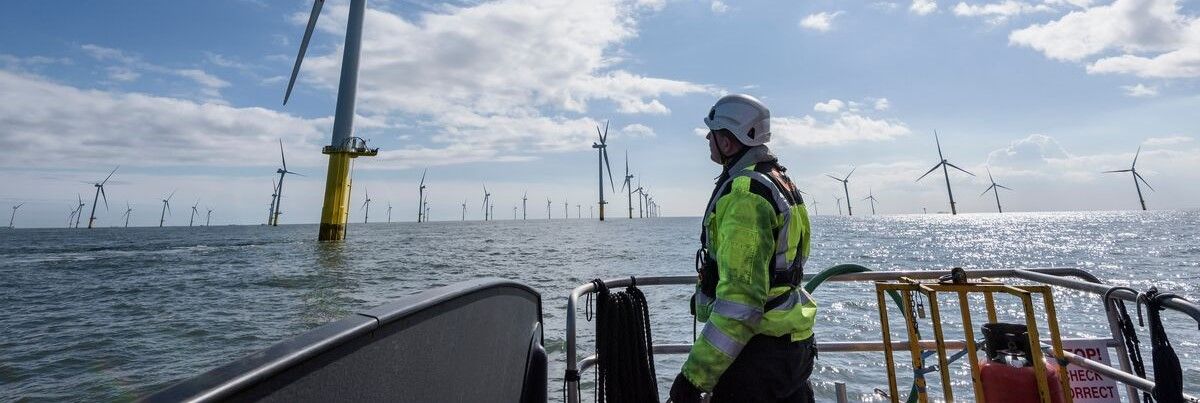
There are tens of thousands of workers involved in that supply chain working in factories, logistics, shipping and more across the North East.
Without a transformative plan, their jobs are increasingly at risk.
Last week the TUC brought together workers, employers and campaigners to discuss a plan for the future of the industry.
Contributions from North East Mayor Kim McGuinness, Labour Party Chair Anna Turley and GB Energy Chief Executive Dan McGrail underlined how crucial a worker-led transition would be.
We were pleased to hear about plans for a new clean energy park in the Port of Tyne, which would see over 12,000 green jobs can be created.
It is vital those are good, unionised jobs so that prosperity is shared across the region.
If our politicians, employers and trade unions continue to work together like this, a true worker-led transition is within our grasp. One that builds on our industrial heritage to take the region’s economy towards a better future.
First published in the Journal (Newcastle-upon-Tyne), 22 September 2025
Stay Updated
Want to hear about our latest news and blogs?
Sign up now to get it straight to your inbox