
Electric vehicle transition at Vauxhall Ellesmere Port, UK
TUC Worker-Led Transition Project
The TUC worker-led transition project partners with manufacturing workers to futureproof industrial jobs. This case study is part of a worker-led transitions series, highlighting international examples where workers across sectors are playing an important role in the transition of their workplaces, helping to secure good quality work and shape their industries into the future.
Site details
Site name: Vauxhall Ellesmere Port
Operator: Stellantis Vauxhall Motors
Location: Merseyside
Country: UK
Date: 2019 - 2023
Context
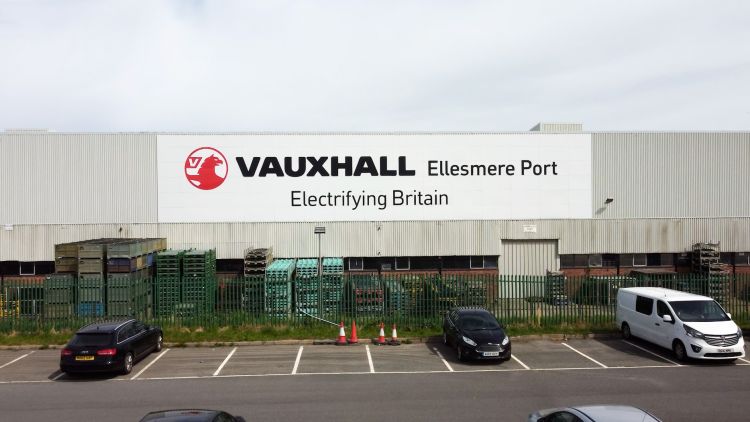
The site on the bank of the river Mersey at Ellesmere Port has been making Vauxhall cars since the early 1960s. Today, the site is owned by the global car manufacture Stellantis, employing more than 1,000 people. As is familiar to many automotive sites, the workers have lived through many new model cycles, and the threats to jobs, T&Cs and site viability that tend to come with them. This case study follows the latest of these cycles, in which workers fought to make sure that the company’s decision to transition to electric vehicle production did not lead to unwarranted redundancies and a degradation of job quality, therefore guarding against an ‘unjust’ transition.
The challenge
Groupe PSA (later merged into Stellantis) took over Vauxhall Ellesmere Port in 2017 and the following year cut several hundred jobs at the site, leading to strike action. At this point it was clear that the Vauxhall Astra model cycle was coming to an end within the next couple of years, however the workers had not been informed of any plans for the manufacture of a new model, so became increasingly worried that the site may be heading for closure.
This sense of uncertainty amongst workers was also fuelled by the policy context at the time, amidst post-Brexit trade uncertainty, and the government announcement that a ban on the sale of Internal Combustion Engine (ICE) vehicles would be brought forward from 2035 to 2030 (which occurred in 2020 and was subsequently reversed in 2023).
In 2021 the company took the decision to retool the plant to produce a fully electric fleet of vehicles, but in doing so they sought to use the remodel as an opportunity to substantially downgrade workers hard won rights and conditions. For example, the company sought to reduce core elements of remuneration, base salary increases, bonus’, overtime rates, sickness payments and other key job quality criteria. This posed a significant threat to the workforce, and risked contributing to a broader pattern of decarbonisation decisions that do not deliver for the workforce and therefore drive an alienating force between worker and climate goals.
What workers did
Engaged with membership
In response to the threat to staff wages and conditions, the union representatives on site and Unite officers quickly formed a negotiating team. This consisted of the plant convenor, three deputy convenors, senior staff representative, an officer, two regional coordinating officers and the regional officer. Then they informed the Membership through the Shop Stewards and Union Notices of their intention to fight for their plant.
Mass meetings were held to discuss the plan with the whole plant over two shifts. An outline was given, and a booklet was produced for everyone to take away, look through and reflect on the decision they were going to have to make. They then called a consultative ballot where the recommendation was to accept.
Negotiated with management
As they always had, they were asking questions of the company at least three years before the end of the life cycle of the current model they were building. The look to the future approach had always served them well and they are currently weighing up how AI may affect them from a warehouse and logistics point of view as well as a manufacturing one.
Sought technical advice
They obtained technical advice after being informed of the new vehicle design and engineering process and the potential dangers this would bring, as well as advice on a new plant floor design layout. This ensured that workers could take an informed position during negotiations with management.
Engaged with MPs
Reps prepared an MP engagement plan in advance, with an escalatory ladder of engagement depending on how negotiations went. This plan involved MPs representing the whole workforce including those residing outside the plant’s constituency, reaching as far away as Wales and Preston. Whilst in the end they did not need to leverage significant support from MPs, reps kept MPs informed and discussed expectations should plans escalate.
The reps also asked local constituency party members to be aware of their situation and were ready to involve any of their Sister Plants in Europe and their other UK Plant in Luton and even their UK Warehouse. They were also ready to have a plan to talk to every councillor in the area from whatever political party they represented.
How were obstacles overcome?
Key obstacles faced by the workers in their fight for good conditions and pay during the transition to electrification included: company tactics which sought to drive down conditions and pit manufacturing sites against each other, lack of sufficient technical detail on the plans, and a need for wider support to raise awareness and build pressure on the company.
Throughout the negotiations the company tried to benchmark workers against established lower paid plants in Europe and often used veiled threats. The UK’s exit from the EU occurred during the negotiations and that was another hurdle to contend with, as they needed the UK plant to avoid tariffs. Reps refused to accept degraded T&Cs on the basis of these tactics.
Another obstacle they faced was the how they would be the need to investigate how different the new vehicle design and engineering process would be to manufacturer Safety of the new model was a concern. They needed to know whether the battery was going to pose risks associated with electric shocks, chemical exposure, handling weight and explosive potential. They also realised that there would need to be a complete redesign of the layout of the plant. The body would have a new floor to accommodate the battery and many other engineering anomalies that they had not encountered before. The new vehicle would have a completely new architecture.
An acuity analyst and the union’s research team provided research support to address these knowledge gaps. They were able to benchmark with current data which allowed them access a wider pool of information beyond their plant.
What was the result?
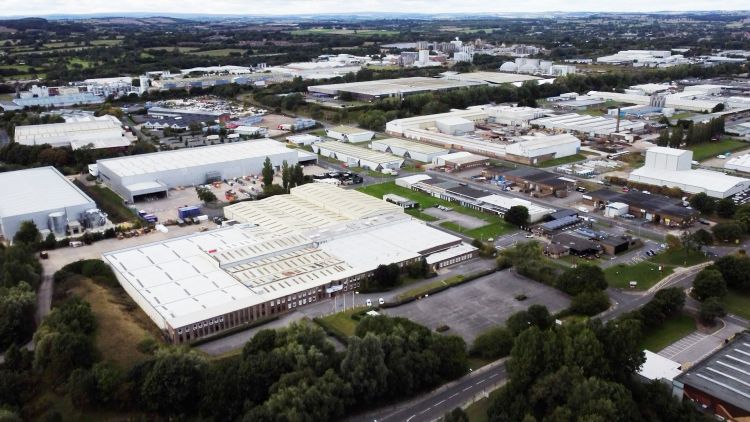
The site underwent a transition to produce exclusively electric vehicles, and now manufactures a range of models including the Citroën ë-Berlingo, Vauxhall Combo Electric, Opel Combo Electric, Peugeot E-Partner and Fiat Professional E-Doblo. Stellantis has recently announced plans to invest a further £50m in Ellesmere Port.
The workers retained most of their Terms and Conditions, never lost any money and kept the plant open. They negotiated an extra one-off payment of £1,000 to help the workforce consider and accept and got a 30% reduction off everyone’s banked corridor hours, an extra average 2% in base pay, and a reduction in the working week to 37.5 hours with no loss of pay.
Success factors & lessons
- Bring the workforce along: Throughout the process the workforce were involved in decision-making, for example the union reps solicited any questions from workers or suggestions for any ideas that may provide useful. Reps made sure to bring the workforce along on the journey by keeping them informed and on side, ensuring there were no surprises for anyone and negotiations could be approached as a united front.
- Obtain technical advice: technical advice was sought to better understand the implications of the employer proposals and ensure that the union position was grounded in technical and market analysis.
- Build support beyond the site gates: Engaging broadly with MPs and the community to raise awareness of the workers’ case helped to build political momentum around the case.
